
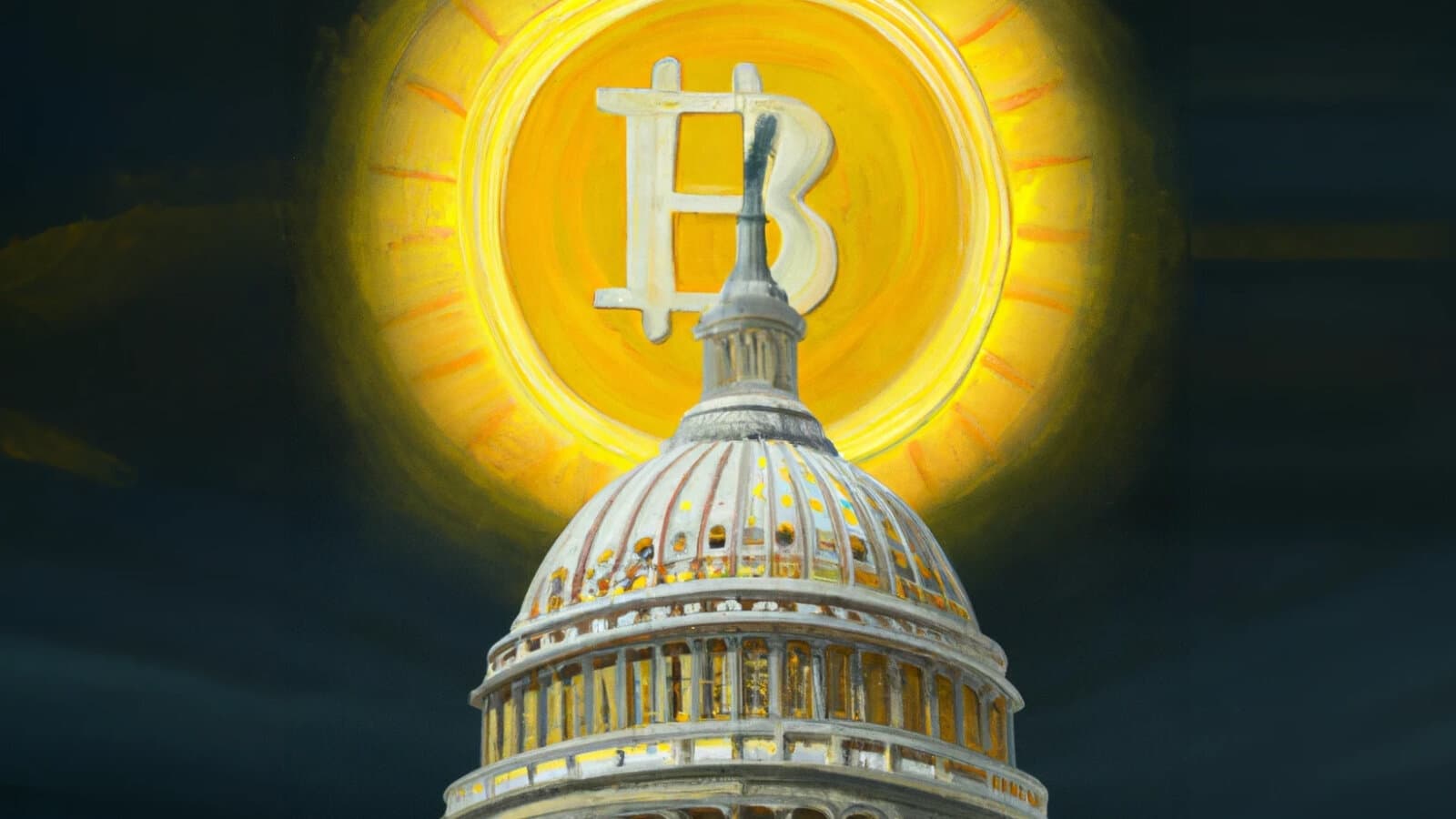
The recent developments surrounding the cryptocurrency exchange FTX and its closely associated trading firm, Alameda Research, have underscored a shared focus by CEO Sam Bankman-Fried and regulators on decentralized finance (DeFi). There is a growing concern that regulators may mistakenly group DeFi with more centralized entities, which include platforms like FTX and crypto lending services such as Celsius. These centralized organizations operate under traditional structures and user interfaces familiar to consumers. In contrast, DeFi significantly minimizes potential failure points and has demonstrated impressive resilience in the face of challenges. Understanding these differences is crucial; a hasty approach to regulation that overlooks nuanced distinctions could lead to detrimental policies, hinder innovation, and create a more vulnerable financial landscape.
Establishing Clear Regulations
Most individuals engaged in cryptocurrency are not against regulation per se; rather, they seek clarity and consistency in the regulatory framework. They prefer rules that are transparent, focused, and dependable. On the contrary, Bankman-Fried made considerable efforts to steer regulatory efforts towards broad regulations that could negatively impact DeFi. By leveraging the misconception that visibility equates to leadership, he successfully arranged a meeting with SEC Chair Gary Gensler, during which discussions allegedly revolved around a centralized crypto trading platform sanctioned by the SEC.
In the short span of just over three years since its inception, FTX has notably sought to influence regulation in a way that aligns with its interests, marking a significant early move in a field where many firms have struggled to gain a foothold. This situation reflects a troubling shift away from the core values of DeFi, which emphasizes openness and transparency, towards a model dominated by centralized forces operating behind closed doors.
Transparency and Reliability of DeFi
Leveraging the fundamental technologies of cryptocurrency allows for the sharing of immutable transaction data and resilient software. This information is accessible on a consensus-driven public ledger that is difficult to alter, with its security increasing as the blockchain expands. Once smart contracts are deployed, they operate as intended, and their code remains available for inspection. This is why investing in independent audits is essential for DeFi projects.
When evaluating these technologies independent of the often-misunderstood broader category of cryptocurrency, it’s challenging to see why any regulatory body or auditor would seek to inhibit their examination and acceptance. The adage that “with sufficient scrutiny, all bugs are shallow” holds true for both software issues and financial misconduct. Thus, executing a fraud similar to that of FTX within a DeFi framework would be considerably more challenging. Any anomalies would likely be detected by either human oversight or automated code before significant damage occurred.
This is attributable to the nature of smart contracts, which adhere strictly to established rules. It is impossible to manipulate balances, and reserves are both verifiable and visible. All transactions are entirely transparent, and any lending or collateralization will undergo liquidation if deemed unsustainable. Moreover, should any DeFi project attempt to engage in self-dealing akin to FTX or Alameda, its code must explicitly disclose such intentions.
It is noteworthy that Alameda and FTX did engage in some DeFi transactions, which were repaid fully since the code treated FTX as just another participant — without any preferential arrangements. Critics of DeFi often highlight instances of so-called “rug pulls,” but these incidents typically reflect the volatile nature of a nascent market and its associated risks rather than inherent flaws within DeFi itself. The infamous Terra/LUNA situation, often misattributed to DeFi, actually stemmed from a project that lacked transparency and had financial controls that were only marginally better than FTX’s. Many of the so-called “DeFi hacks” can be traced back to inadequate code audits or vulnerabilities in the connecting infrastructure between projects. Overall, when comparing the leading DeFi initiatives with traditional financial systems and centralized crypto services like FTX, DeFi consistently outperforms in terms of transparency and reliability.
The Path Forward for DeFi
Renowned economist Milton Friedman once stated, “Only a crisis — actual or perceived — produces real change.” He noted that the actions taken during such crises depend on the ideas that are readily available. Friedman was referring to political concepts, which may not be the most suitable source for solutions. Instead, policymakers and regulators should look to the strengths of DeFi, including its innovative technologies, mature projects, successful proofs-of-concept, and demonstrable early achievements.
We aspire to create a future in which human corruption in finance is virtually impossible. By setting aside biases and emotions, we invite a constructive dialogue with lawmakers and institutions aimed at building a more transparent and equitable financial future.


